TIMBER WOLF PSW142146 Bandsaw Blade 1/4
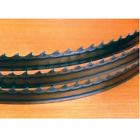
( Brand: Timber Wolf ), ( Manufacturer Part Number: PSW142146 ), ( Part Type: Blade )
Review TIMBER WOLF Bandsaw Blade 1-4 142 Tpi
The PSW142146 Timber Wolf Bandsaw Blade is a high-quality addition to any woodworking toolkit. This 1-4 TPI (Teeth Per Inch) blade is specifically designed for cutting hardwoods and is ideal for use with bandsaws.
The Timber Wolf blade features extra-tough carbide tips on its teeth, ensuring a long blade life even when cutting through the most challenging materials. The blade's 1/2-inch width provides a good balance between cutting speed and chip removal, making it suitable for a wide range of projects.
The PSW142146 blade is 142 inches long, providing ample length for making long cuts in large logs or wide boards. The blade's teeth are spaced 1/4 inch apart, which allows for smooth, accurate cuts and reduces the risk of blade binding or breakage.
The Timber Wolf blade is made from premium steel, ensuring rigidity and strength. It is also resistant to heat buildup, which can be a common issue with bandsaw blades. This resistance to heat buildup helps to prevent the blade from warping or becoming distorted, ensuring consistent cuts and reducing the risk of accidents.
The PSW142146 Timber Wolf Bandsaw Blade is easy to install, with a hook-set design that ensures secure attachment to the bandsaw. The blade is also self-lubricating, reducing the need for regular maintenance and ensuring smooth, efficient operation.
In conclusion, the PSW142146 Timber Wolf Bandsaw Blade is a reliable, high-performance blade that is perfect for cutting hardwoods. Its extra-tough carbide tips, 1/2-inch width, and 1/4-inch TPI spacing ensure smooth, accurate cuts and a long blade life. Whether you're a professional woodworker or a DIY enthusiast, this blade is a must-have addition to your toolkit.
Pros of buying PSW142146 Timber Wolf Bandsaw Blade 1-4 142:1. High TPI (Teeth Per Inch): With a TPI of 142, this blade is excellent for cutting hardwoods and is highly efficient, resulting in a smoother and cleaner cut.
2. Durable and Long-lasting: The Timber Wolf blade is made of high-quality steel, ensuring that it can withstand heavy use and maintain its sharpness for a longer period, reducing the need for frequent blade replacements.
3. Versatile: This blade is suitable for various applications, including cutting lumber, trimming, resawing, and other woodworking tasks.
4. Wide Application Range: The 1-4 pitch design of the blade makes it compatible with most bandsaws, allowing for a wide range of usage.
Cons of buying PSW142146 Timber Wolf Bandsaw Blade 1-4 142:1. High Cost: Compared to other bandsaw blades, this Timber Wolf blade may be more expensive due to its high-quality materials and construction.
2. Requires Proper Maintenance: To maintain the blade's sharpness and longevity, regular maintenance and sharpening are necessary, which may add to the overall cost and time investment.
3. May Not Be Suitable for All Types of Wood: While the blade is versatile, it may not perform as well on softwoods as it does on hardwoods.
In conclusion, the PSW142146 Timber Wolf Bandsaw Blade 1-4 142 is an excellent choice for those who need a high-quality and efficient blade for cutting hardwoods. Its durability, versatility, and wide application range make it a valuable investment for woodworkers. However, its high cost and the requirement for regular maintenance should be considered before making a purchase. If you value efficiency, durability, and a smoother cutting experience, particularly with hardwoods, this blade is recommended. If you are looking for a more cost-effective option, you may want to consider other blade options.
Details:
5 rake, 5-tooth set pattern. Your bandsaw will cut better and faster, with less wear on bearings, shafts tires. The round design of gullet eliminates any work hardening zones.
Couple that with the special 6. Blade has over 60 of the speed capabilities a hook while giving you great finish skip thick thin-Cerf and have an awesome bandsaw. Tooth angles and gullet symmetries, combined with a unique set pattern, create blade that is everything wood cutting was meant to be.
part #: psw142146 prices
- $23.00-$49.95
specifications reciprocatingsawgo:
- brand: Timber Wolf
- mpn: Psw142146
- part type: Blade
General reciprocatingsawgo:
- in stock: Yes
- home garden > tools > power tools saws blades > reciprocating saws
- condition: New
Offer reciprocatingsawgo:
- best offer: false
- bids: 0
- quantity: 10
- Started: September 3, 2017, 11:25 am
- Sold: 0
Returns reciprocatingsawgo:
- type: Money back or replacement buyers choice
- policy: returns accepted
- time: 60 Days
- paid by: Buyer
Ratings:
- Great to deal with. Fast shipping. September 2, 2017, 4:57 pm
- ok September 3, 2017, 4:08 am
- Exactly described. Great seller. September 3, 2017, 10:10 am
- As described but packaging bad September 3, 2017, 11:20 am
- Honest, Accurate , yes I would do business with him again September 2, 2017, 11:02 pm
Payments reciprocatingsawgo:
- PayPal
Shipping reciprocatingsawgo:
- cost: $8.99
- handling: 1 days
- type: Flat
Seller reciprocatingsawgo:
- zipcode: 26105
- city: Vienna, West Virginia
Timber Wolf PSW142146 Is Similar To:
- 072684 Timber Wolf Bandsaw Saw Blade Tpi Steel Milled 737212274461 (55.4% similar) ...(August 28th, 2018)
- 1 03pc-133 Timber Wolf Bandsaw (67.7% similar) Brand new Timber Wolf 133' x 1' 3TPI bandsaw blade...(September 6th, 2017)
- 103pc-137 Timber Wolf Bandsaw Blade 843392016569 (67.5% similar) 035 thickness blades run under low-tension, produce a thin Cerf and make remarkable tight turns. A perfect balance of superior steel, blade width and thickness plus precision set teeth produce cutting with exceptional overall life. Milling the teeth of blade into a piece strip steel produces ...(September 26th, 2017)
- 103pc-142 Timber Wolf Bandsaw Blade 843392017894 (69.9% similar) 035 thickness blades run under low-tension, produce a thin Cerf and make remarkable tight turns. Milling the teeth of blade into a piece strip steel produces finished, razor sharp edge without ever having to stamp or grind. Induction hardening allows for different but more precise hardness ...(December 9th, 2017)
- 105-1203as Timber Wolf Bandsaw Blade 632963185274 (66.7% similar) These blades are primarily used by wood turners and wood carvers when roughing out blanks from burls logs. Their performance is excellent if the thickness of your material exceeds 6 to 8 inches these blades are not meant be used on three wheel band saws or any saw with less than a 90 blade length ...(May 29th, 2017)
- 105-1204pc Timber Wolf Bandsaw Blade Tpi Thickness (68.2% similar) Milling the teeth of blade into a piece strip steel produces finished, razor sharp edge without ever having to stamp or grind. 025 thickness blades run under low-tension, produce a thin Cerf and make remarkable tight turns. A perfect balance of superior steel, blade width and thickness plus ...(March 6th, 2018)
- 105-1814hp Timber Wolf Bandsaw Blade Silicon Steel Scrolling 640522518821 (51.9% similar) Timber Wolf bandsaw blade 1/8 x 105 14TPI 1814HP silicon steel scrolling...(June 26th, 2018)
- 105-31610rk Timber Wolf By Bandsaw For 640522518692 (55.8% similar) ...(April 25th, 2018)
- 105-3423vpc Timber Wolf By Bandsaw Silicon Steel Low Tension Resaw Blade (54.2% similar) Induction hardening allows for different but more precise hardness throughout the blade. Milling the teeth of blades into a piece strip steel produces finished, razor sharp edge without ever having to stamp or grind. These unique manufacturing techniques along with the use of Swedish silicon steel ...(October 4th, 2018)
- 105-3806pc Timber Wolf Bandsaw Blade Width (72.7% similar) 25, 6 tpi this offer is for one 105 by 3/8 Timber Wolf 3806PC silicone steel low tension bandsaw blade curves, template, and pattern cutting, or ripping crosscutting designation: curve, template cutting width : tooth per inch: design: PC positive claw thickness...(February 25th, 2017)
- 11204pc-80 Timber Wolf Bandsaw Blade 669754805042 (69% similar) Tooth angles and gullet symmetries, combined with a unique set pattern, create blade that is everything wood cutting was meant to be. Blade has over 60 of the speed capabilities a hook while giving you great finish skip. The round design of gullet eliminates any work hardening zones. Your bandsaw ...(March 16th, 2017)
